

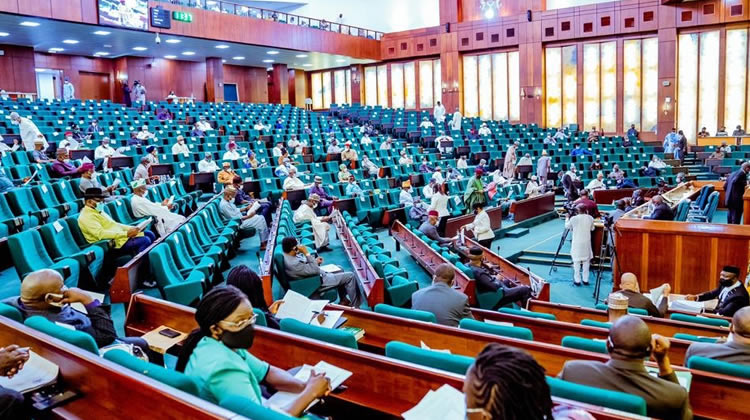

The controversial Compulsory Voting Bill has been dropped by the House of Representatives after a round of constant public backlash.
The Speaker, House of Representatives, Honourable Tajudeen Abass, announced the withdrawal on Monday in a statement issued by Special Adviser on Media and Publicity, Musa Krishi, hinging the move on the need for wider and broader consultations.

The bill which seeks to amend the Electoral Act 2022 to insert sections which will mandate all eligible voters to vote proposed a N100,000 fine or a jail term of six months for those who refuse to exercise their franchises.
“The Speaker of the House of Representatives, Tajudeen Abbas, wishes to inform the public that, following extensive consultations with a broad spectrum of stakeholders, he has decided to withdraw the Bill to Amend the Electoral Act 2022 to make voting mandatory for all eligible Nigerians, which he co-sponsored with Hon. Daniel Asama Ago,” the statement read.
According to Abbas, the initial intentions underlying the bill were good as it was aimed at improving democratic participation.
“From the outset, the bill was introduced with the best of intentions, which is to bolster civic engagement and strengthen our democracy by encouraging higher voter turnout. Compulsory voting has long been practised with notable success in countries such as Australia, Belgium and Brazil, where it has helped sustain participation rates above 90 per cent, while nations like Argentina and Singapore have also implemented similar measures to foster inclusivity at the ballot box,” the statement added.
The Speaker, however, said that since legislators are representatives of the people, all legislative reforms must factor in public sentiment and uphold personal freedoms.
“Nevertheless, the Speaker acknowledges that lawmaking is ultimately about the people it serves and that any reform must respect individual freedoms and public sentiment. Rather than compel participation, he is committed to exploring positive incentives and innovative approaches that will make voting more attractive and accessible to all Nigerians.”
The statement concluded that the withdrawal will pave the way for more inclusive dialogue on promoting voter turnout.
“This withdrawal will allow time for further dialogue on how best to cultivate a culture of voluntary participation that honours both our democratic ideals and the rights of our citizens.”
